Sports authorities across Asia-including China's General Administration of Sport, Korea's Taekwondo Association, and Japan's Judo Federation-have issued updated safety regulations for martial-arts training facilities. These changes reflect growing concern over injuries caused by inadequate flooring and outdated equipment.
Key Changes in Safety Requirements
The new standards include:
- Minimum thickness for impact-heavy sports such as Judo and BJJ
- Density and hardness controls for EVA mats
- Chemical safety standards ensuring mats are free from harmful substances
- Slip resistance requirements for both children and adult facilities
- Durability testing for mats used in high-frequency club training
Facilities failing to meet guidelines may face certification delays or operational restrictions.
Impact on Training Centers
Martial-arts gyms, schools, and national teams are now upgrading flooring to comply with the new guidelines. Many are switching to:
- Higher-density tatami mats
- Safer EVA puzzle mats with certified materials
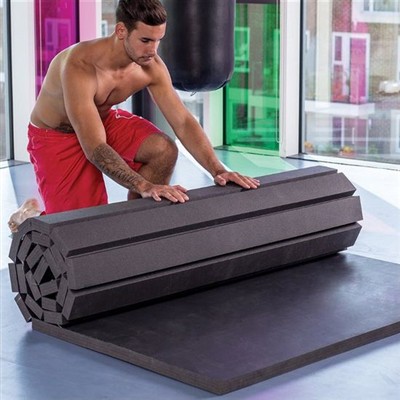
- Custom roll-out mats for MMA programs
This shift is expected to significantly reduce training-related injuries and improve athlete safety from beginner to elite level.
Manufacturers Adapt to International Standards
Factories are adopting new production controls, including:
- Precision foam molding
- Enhanced surface testing
- Third-party laboratory safety certification
As Asia continues to lead global martial-arts development, these updated safety standards are expected to influence regulations in Europe and the Americas as well.